Corrugated Carton
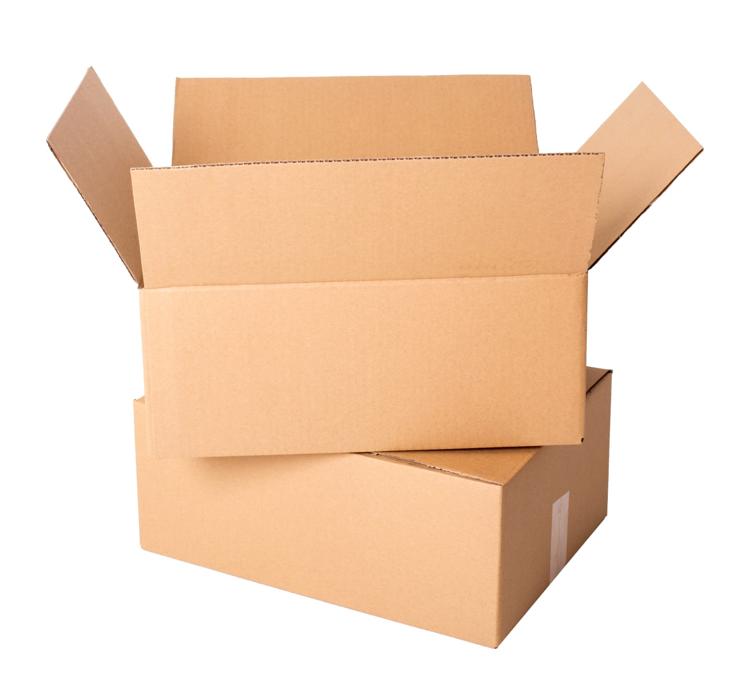
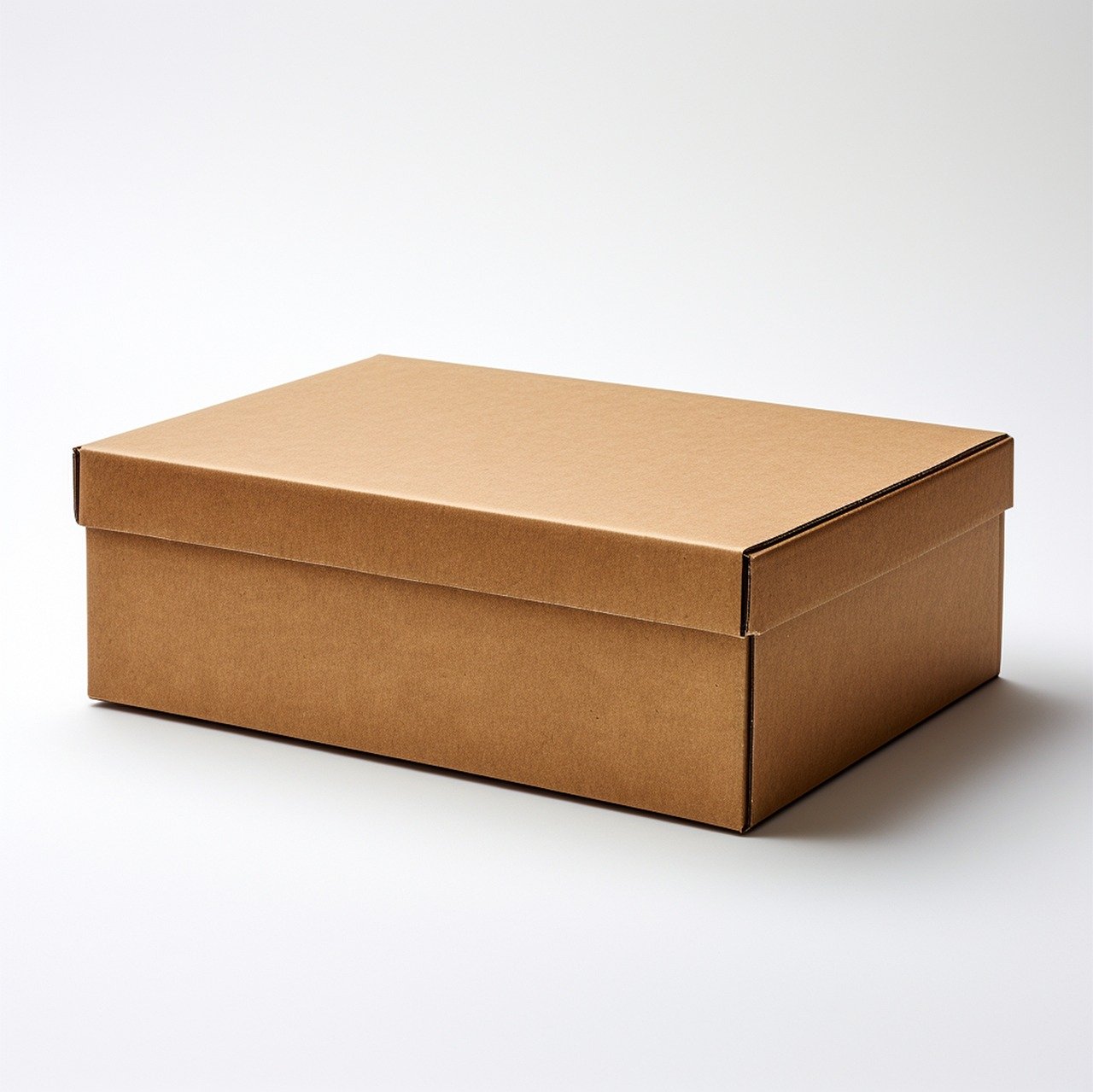
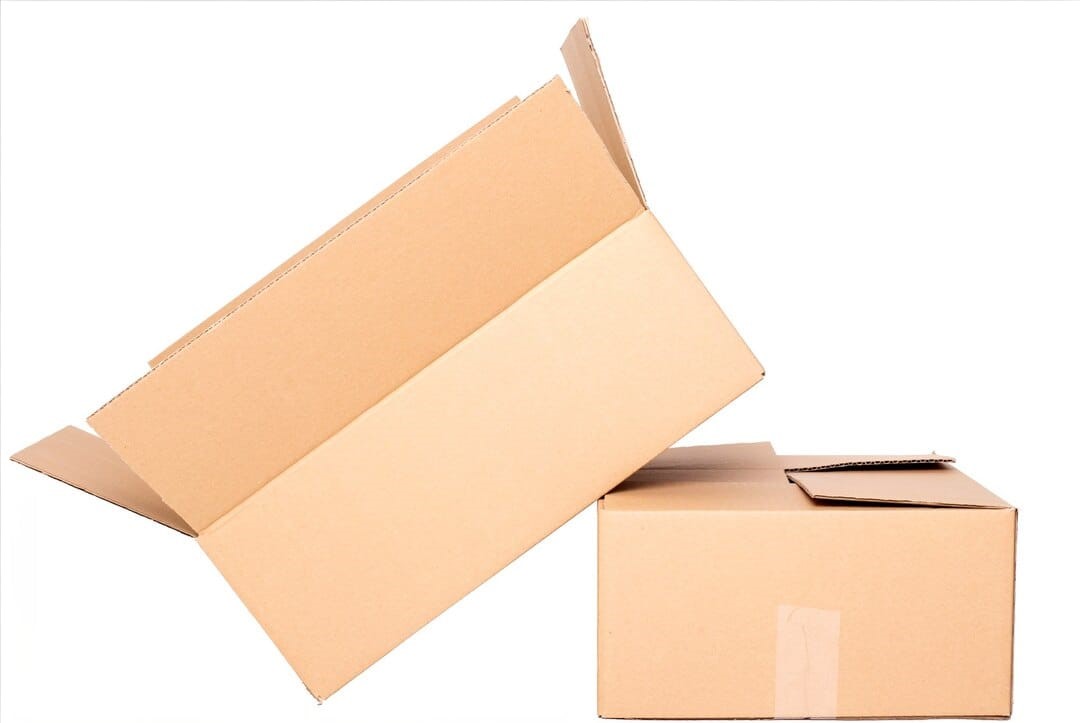
Corrugated cardboard is a type of material widely used in packaging due to its light weight, durability and cost effectiveness. It consists of a corrugated layer sandwiched between two flat lined sheets. Here is a detailed explanation of its components, properties and uses:
Components of Corrugated Cardboard
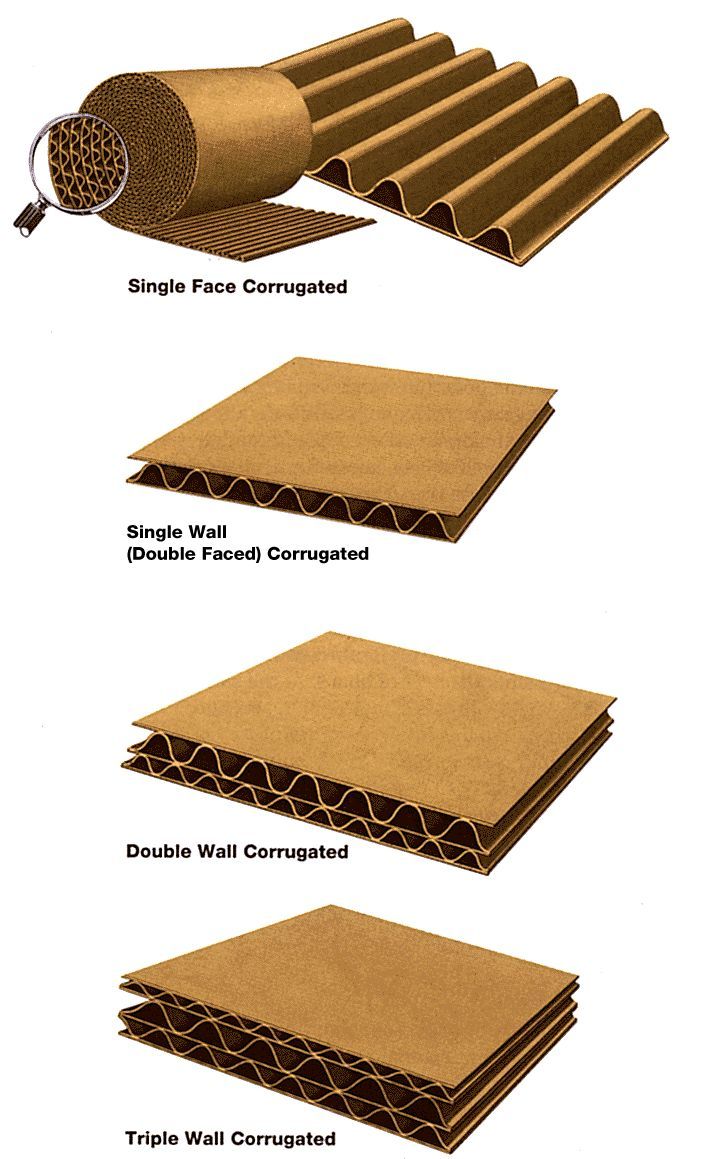
Corrugated Core (Intermediate): The corrugated layer inside the cardboard provides rigidity and cushioning. It is usually made from recycled paper or kraft paper.
Liner Boards: These are the flat outer layers that contain the corrugated core. Made from cardboard or kraft paper, they provide structural support and printable surfaces.
Types of Corrugated Cardboard
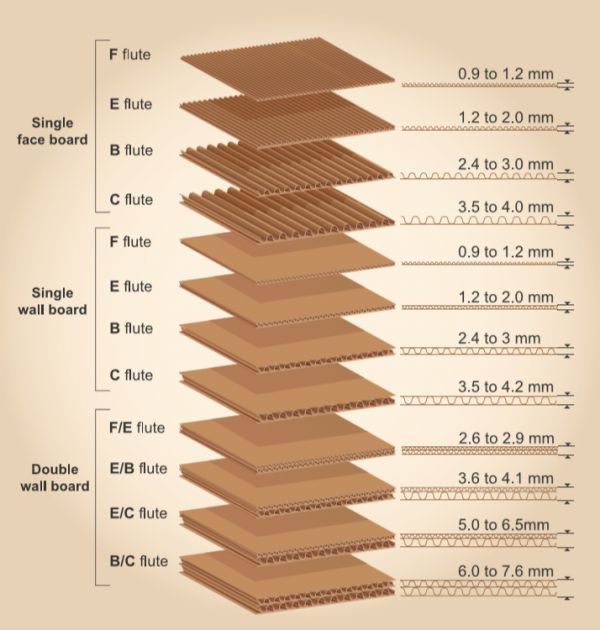
Single Wall: One layer of corrugated between two liners. Common in lightweight packaging.
Double Wall: Two layers of corrugated with three liners, providing extra strength.
Triple Wall: Three layers of ridges and four liners for heavy-duty industrial use.
Types of Ridges
Ridges vary in size and thickness, which affects strength and cushioning:
A ridge: Larger, has excellent cushioning.
B ridge: Smaller, ideal for printing and folding.
C ridge: Most common, balances strength and cushioning.
E ridge: Thin and lightweight, great for small, detailed packaging.
F ridge: Ultra-thin, suitable for lightweight packaging.
Properties
Lightweight: Easy to handle and transport.
Strong: Can hold a lot of weight despite being lightweight.
Recyclable: Made mostly from recycled materials, making it environmentally friendly.
Customizable: Can be cut, folded, and printed for branding.
Cost-effective: Affordable due to the use of recycled materials.
Applications
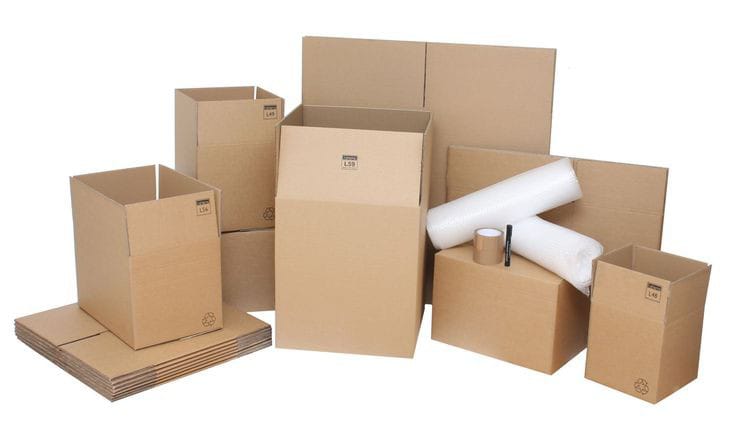
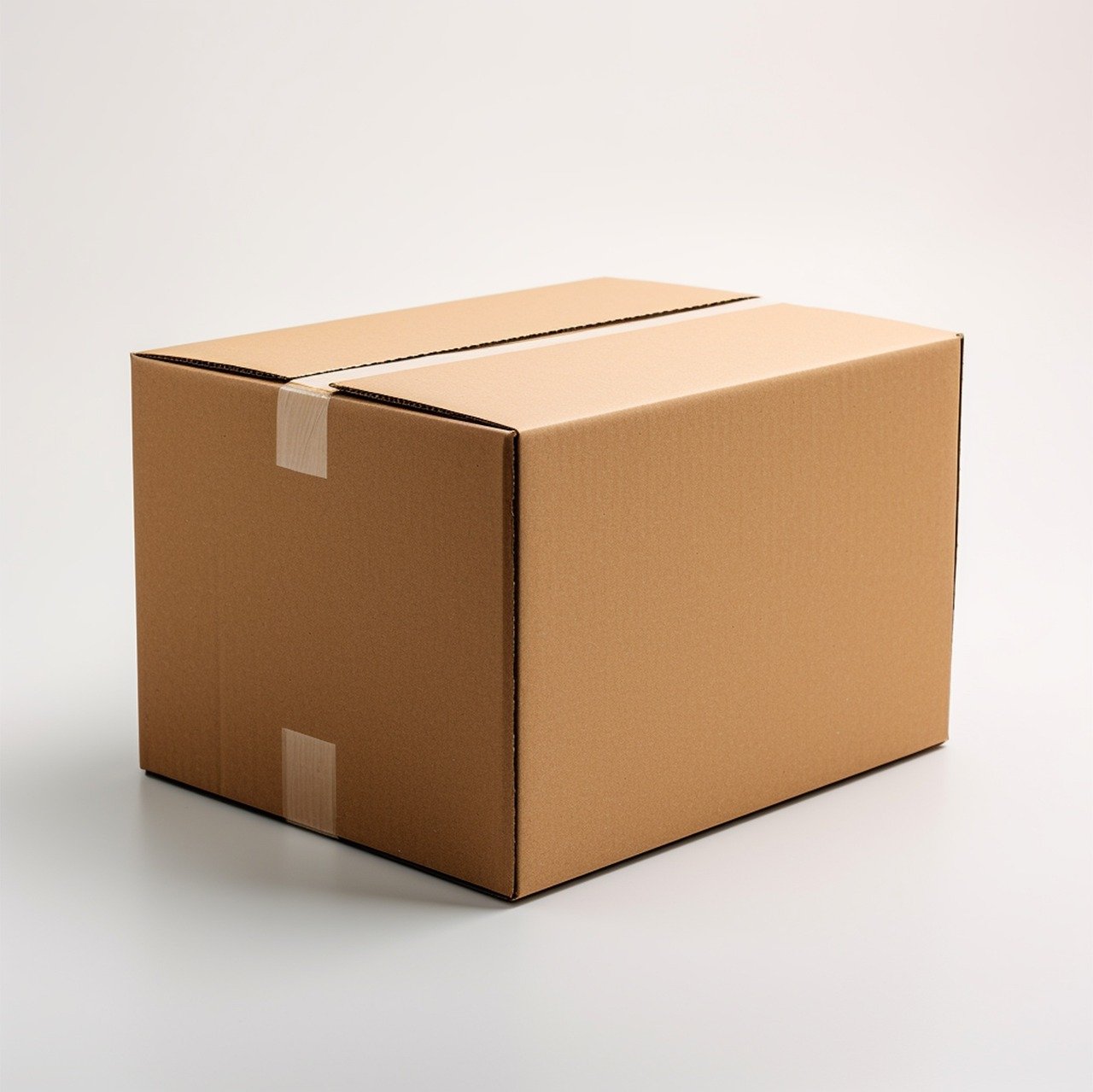
Shipping boxes: Protect items during transit.
Retail packaging: Custom printed for branding.
Protective packaging: Used for delicate items such as electronics and glassware.
Displays: Point of sale displays to promote products.
Furniture: Lightweight and durable furniture or temporary installations.
Manufacturing Process
Core: Raw material (recycled paper/kraft paper) is cored and formed into sheets.
Pattern forming: The patterned core is formed using heat and pressure.
Assembly: The patterns are glued between the lining boards.
Cutting and folding: Corrugated cardboard is cut into specific sizes and shapes.
Advantages
Environmentally friendly: Biodegradable and recyclable.
Versatile: Suitable for various industries such as food, retail and logistics.
Protective: Shock absorbing and pressure resistant.
Duplex Carton

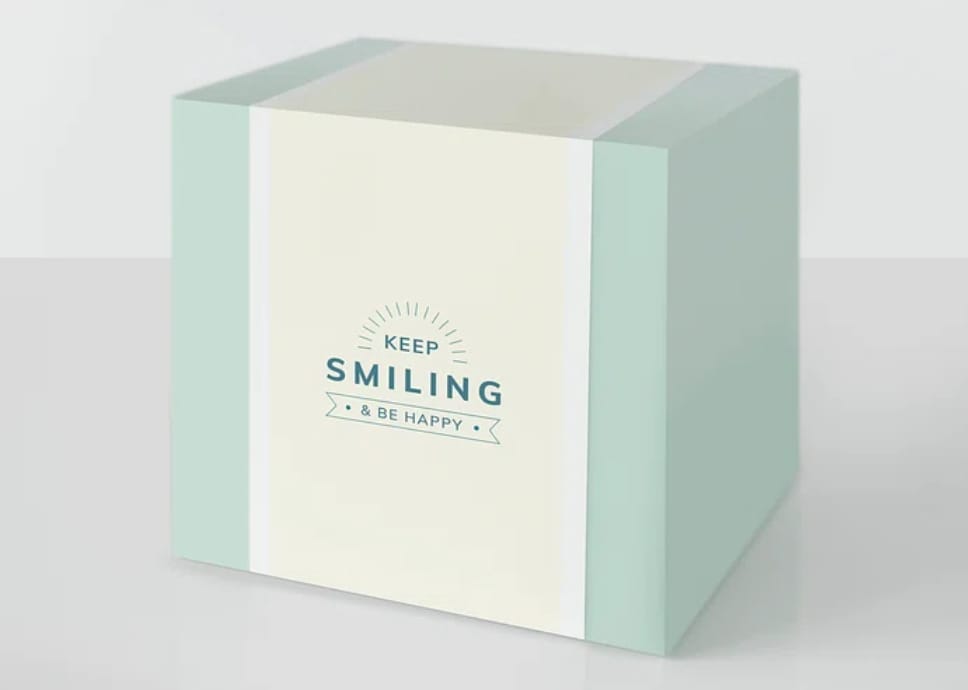
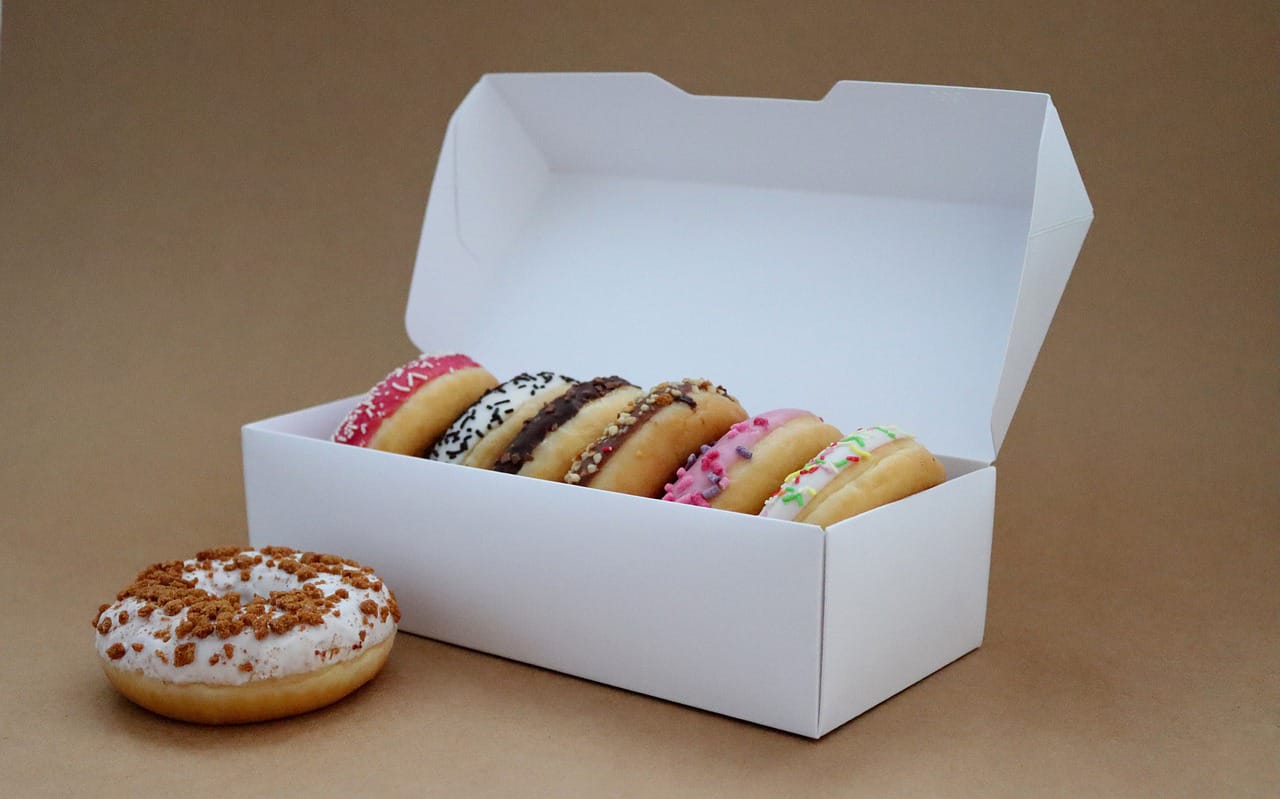
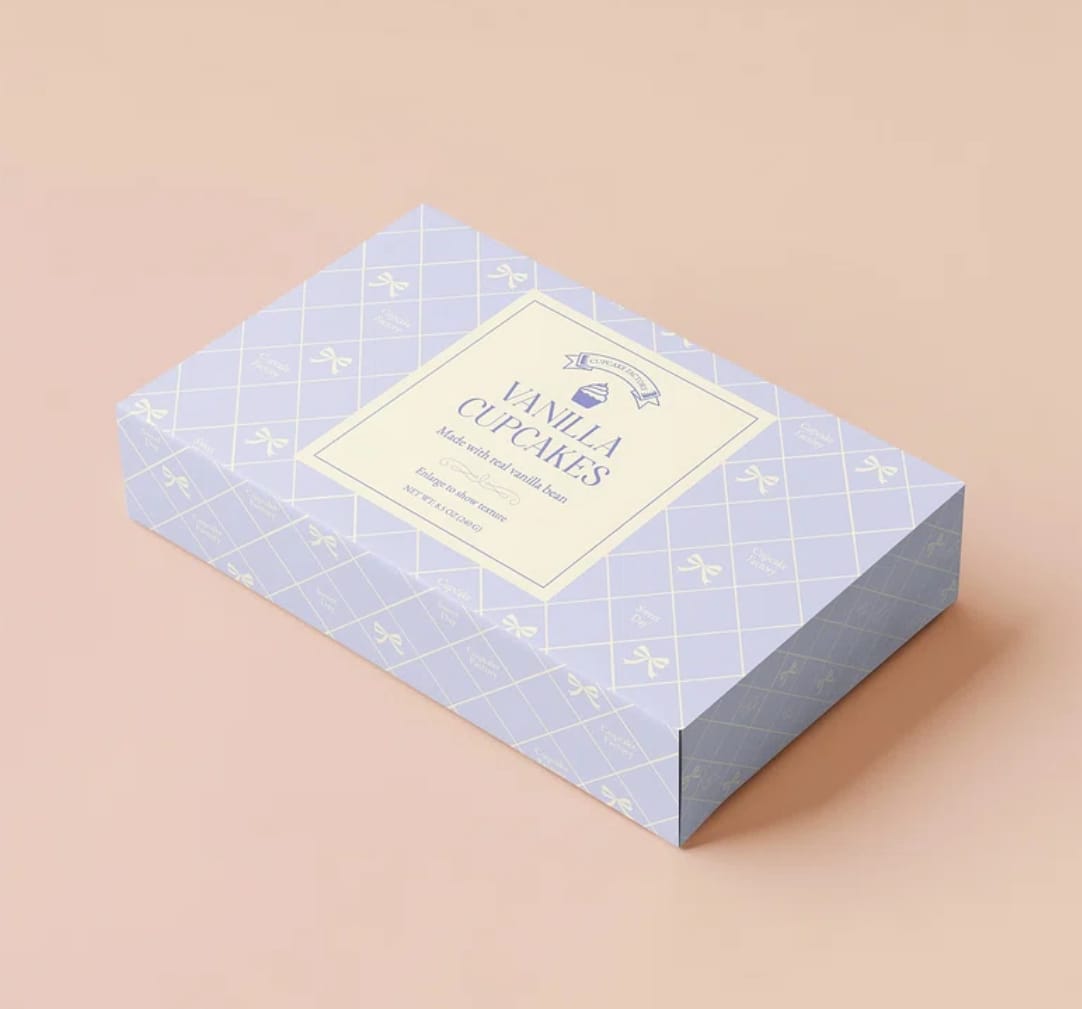
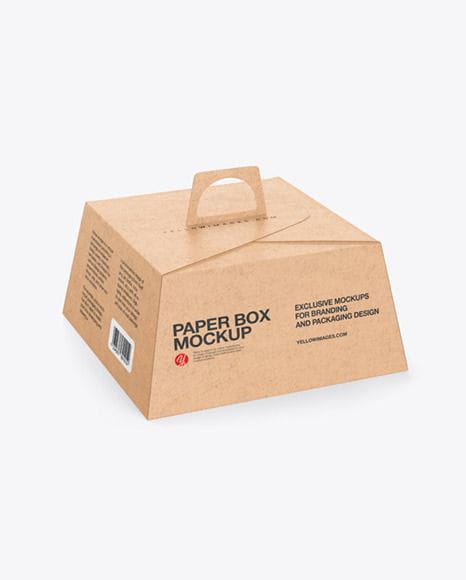
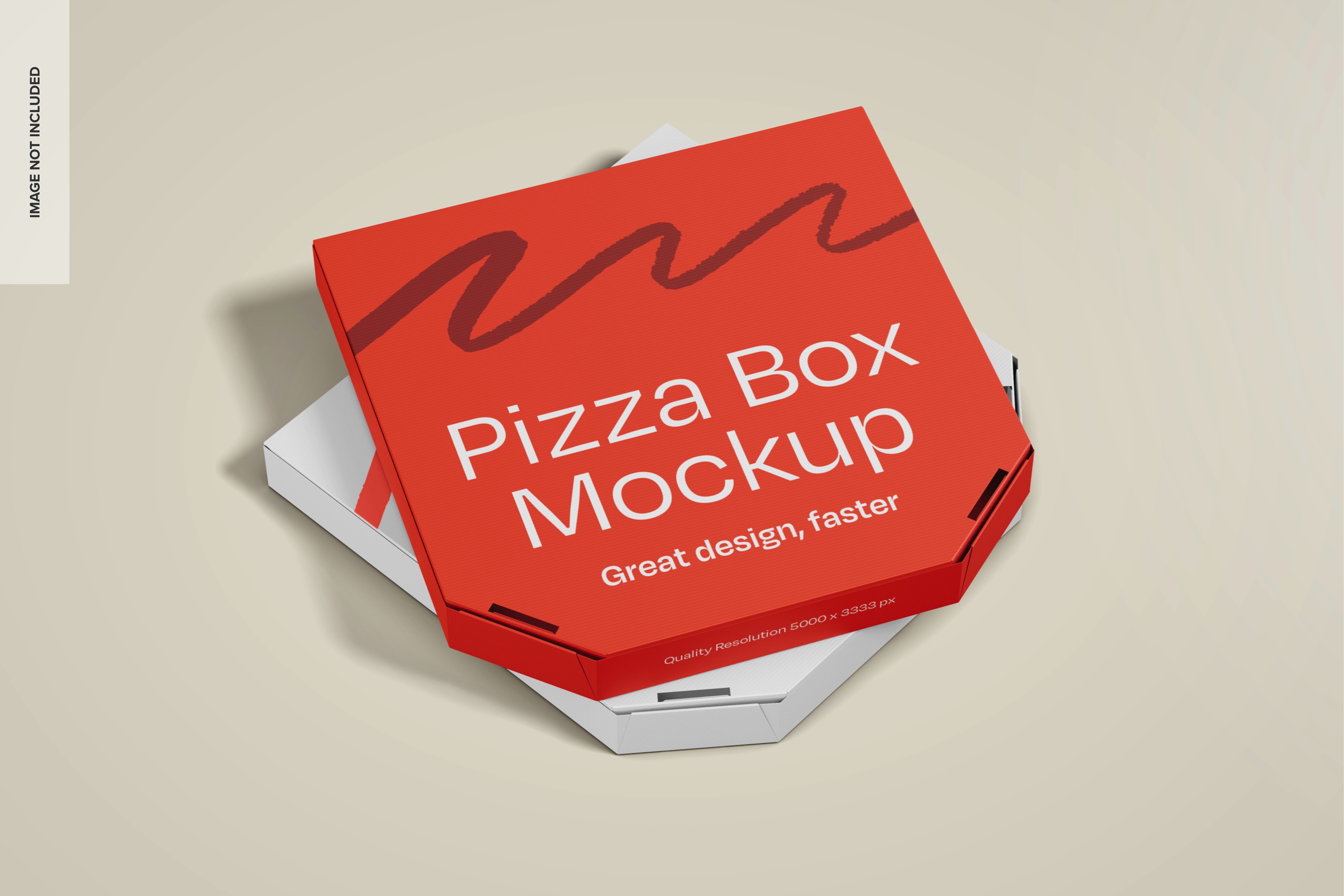
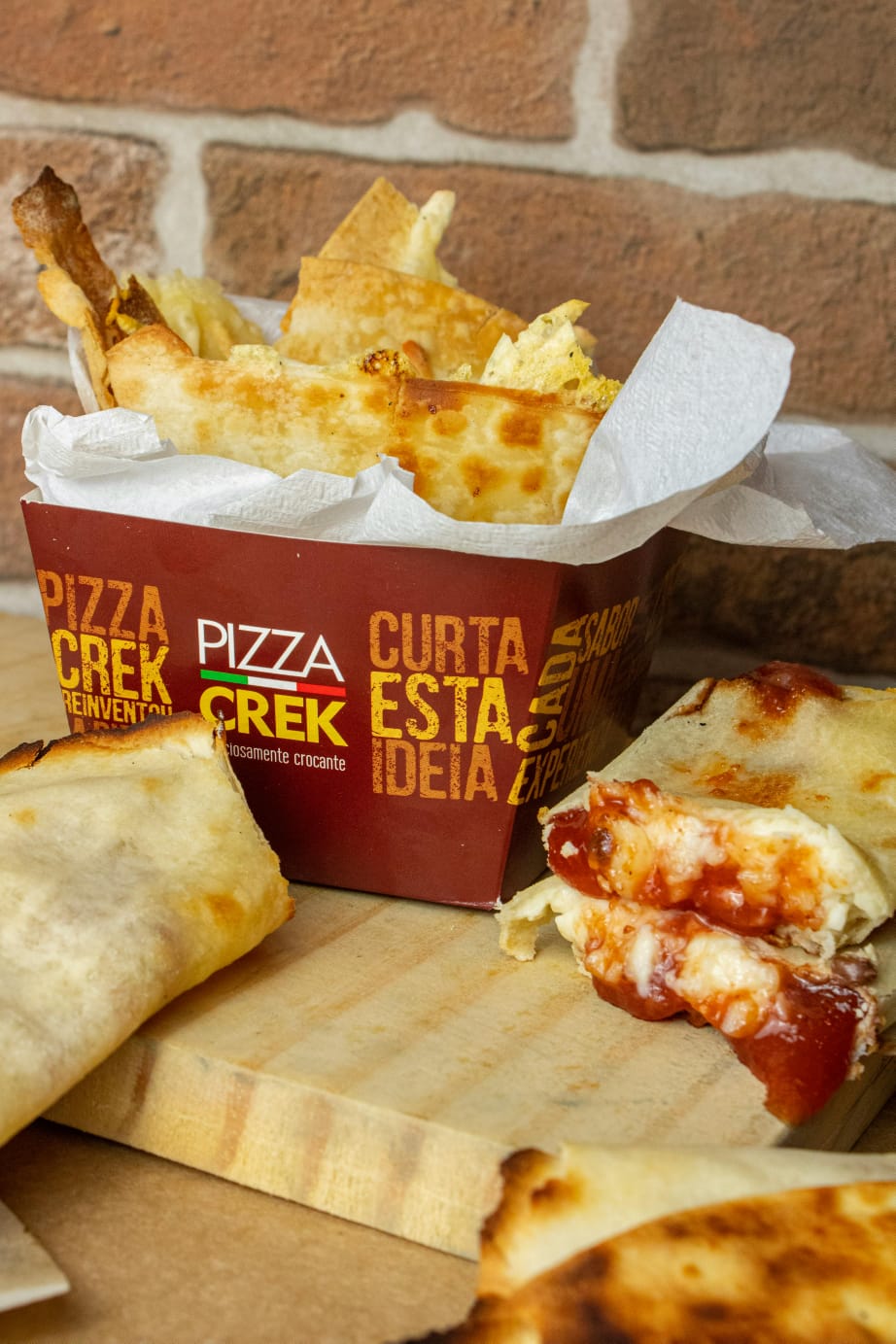
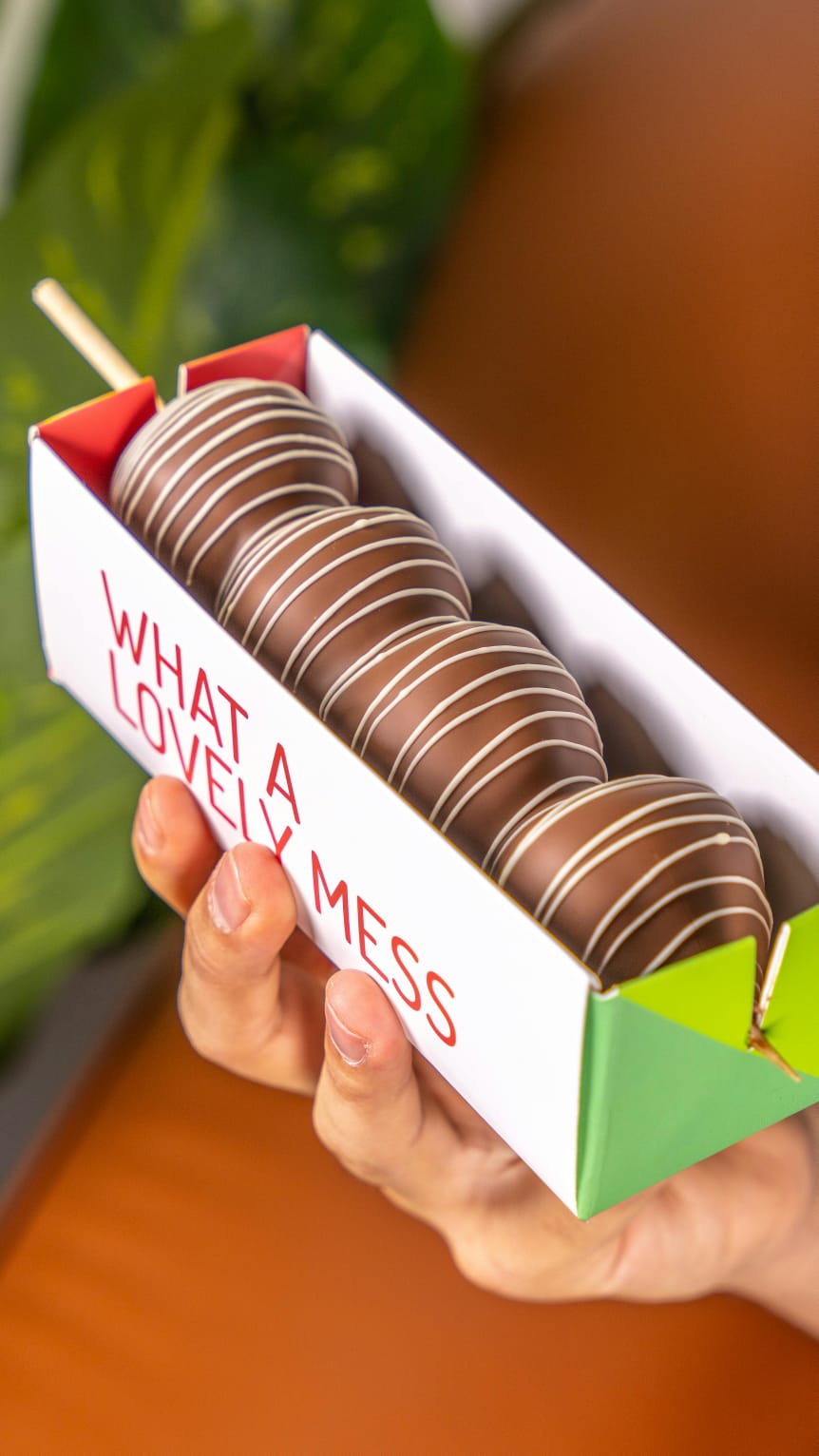
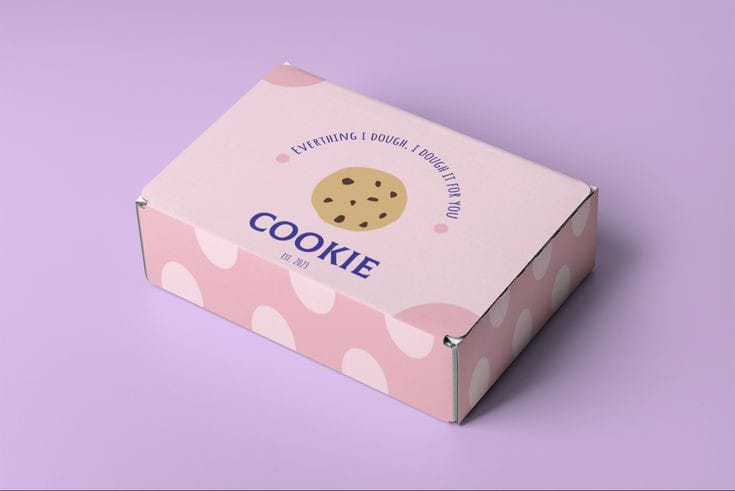
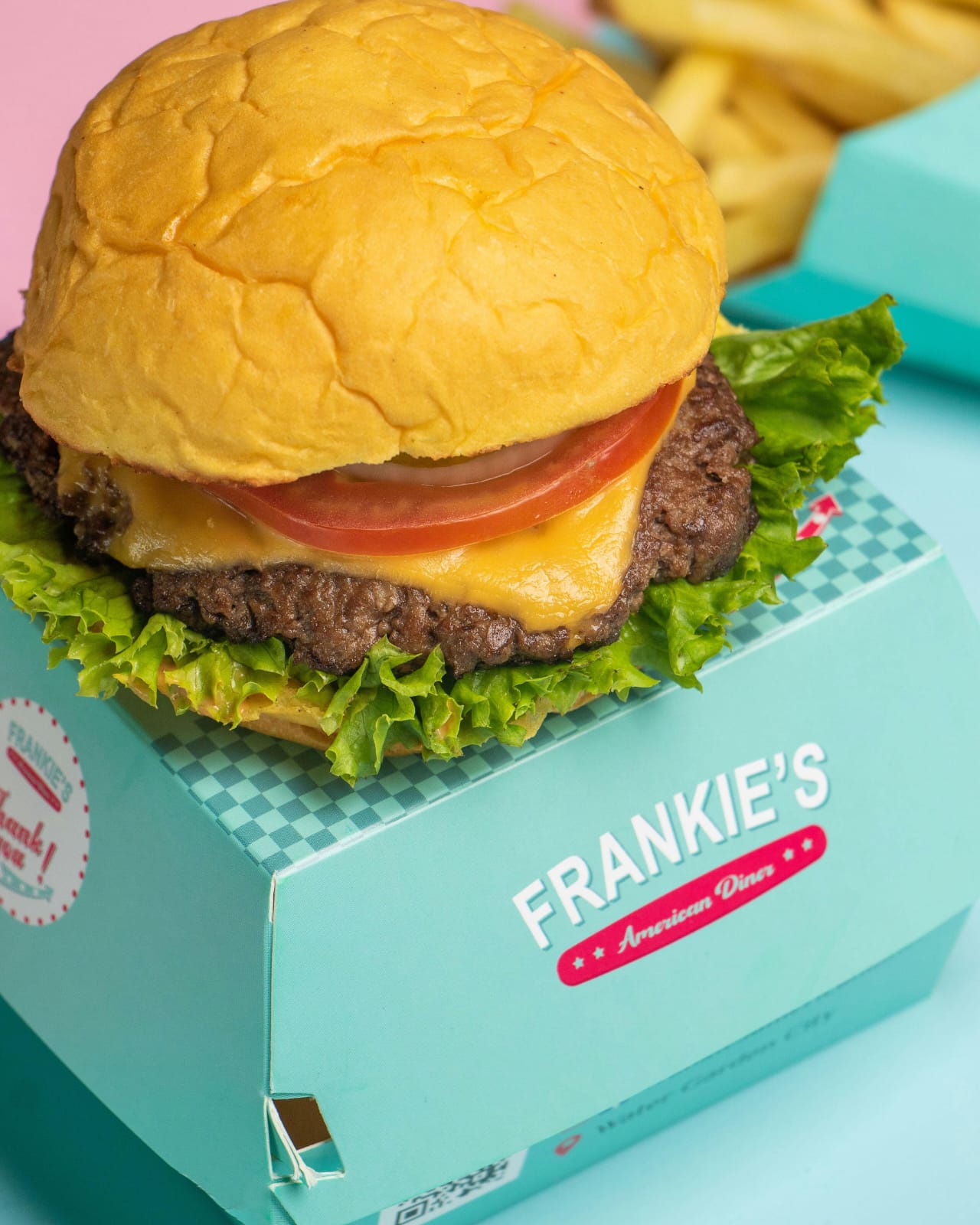
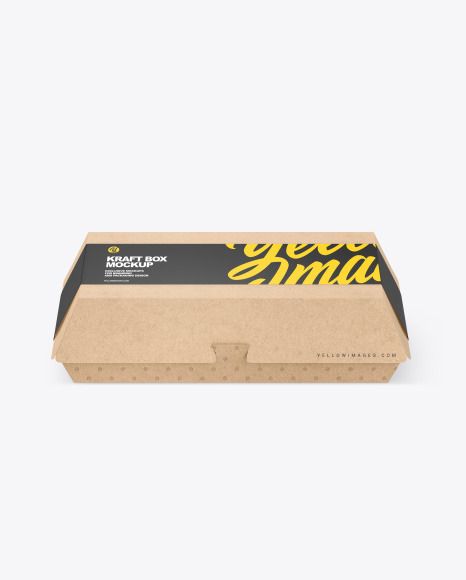
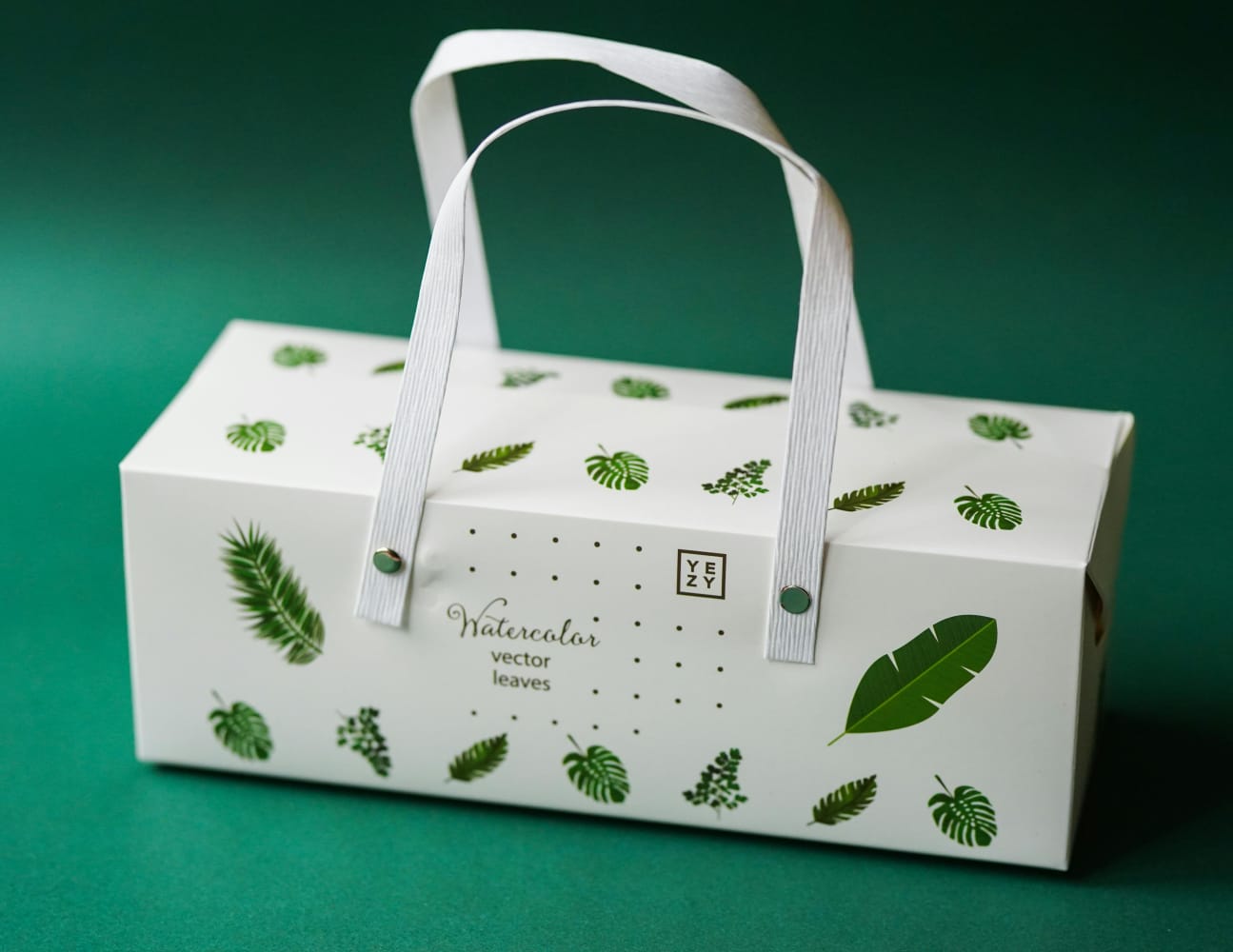
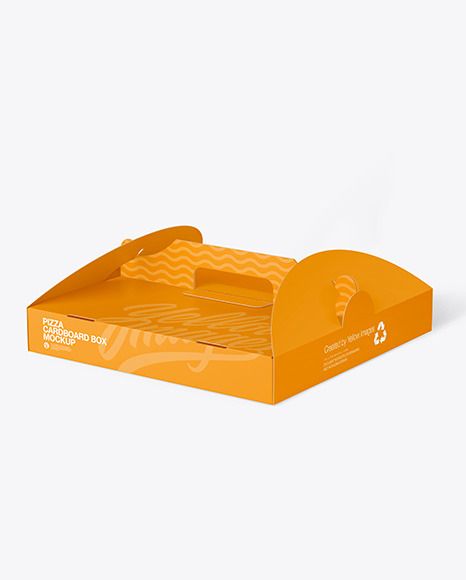
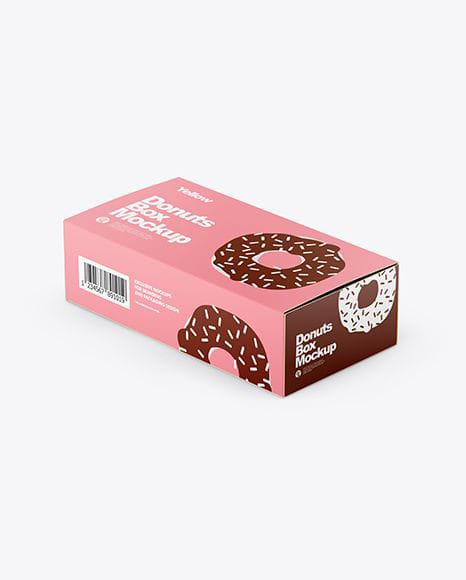
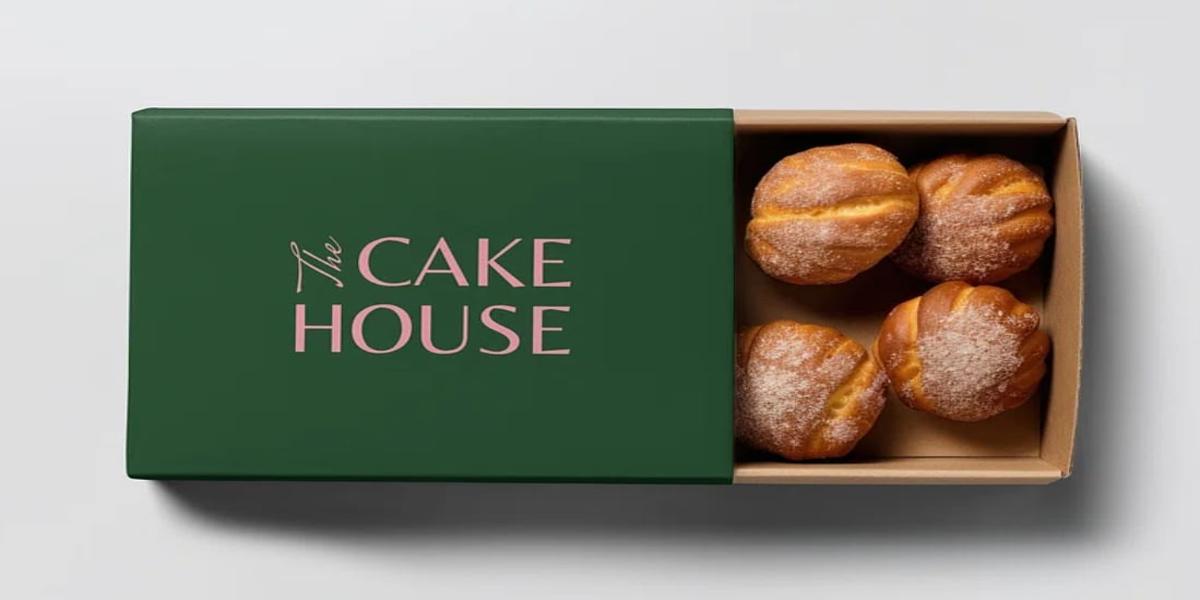
Duplex cardboard consists of two layers of cardboard, usually with one side having a white or coated surface for printing and branding, while the other side is usually gray or brown.
Purpose: Designed for lightweight packaging that requires good printability and moderate durability.
Components
Outer layer: Smooth, white or glossy coated surface for printing, branding or designs.
Inner layer: Thicker cardboard, usually gray or kraft for structure and support.
Properties
Smooth finish: One side is smooth or coated, ideal for printing high-quality graphics.
Lightweight: Easier to handle and cost-effective for transport.
Durable: Provides moderate strength to hold light to medium-weight products.
Recyclable: Often made from recycled materials and is recyclable itself.
Cost-effective: Affordable compared to more durable packaging options.
Manufacturing Process
Pulp: Paper pulp, often recycled, is processed to create layers.
Laminating: Two layers of paper are bonded together.
Coating: The outer surface is treated with a coating to give a smooth, glossy finish.
Cutting and Shaping: The duplex board is cut and folded into desired shapes.
Types of Duplex Board
Coated Duplex Board: It has a glossy or matte finish on one side. Ideal for printing detailed designs.
Uncoated Duplex Board: It lacks a glossy finish, and is often used for industrial or secondary packaging.
Grey Back Duplex Board: The back side is grey, and is typically used for general packaging.
White Back Duplex Board: Both sides are white, and are used for luxury packaging.
Applications
Food Packaging: Pizza boxes, bakery boxes, disposable food containers.
Consumer Goods: Toy packaging, electronics, small appliances.
Pharmaceuticals: Pharmaceutical boxes, healthcare product packaging.
Retail Packaging: Cosmetic boxes, gift boxes, display boxes.
Stationery: Folders, notebooks, calendars.
Advantages
Customizable: Easy to cut, fold and print for unique branding.
Lightweight: Reduces shipping costs and handling effort.
Affordable: Cost effective for large scale packaging needs.
Eco-Friendly: Can be made from recycled materials and is biodegradable.
Versatile: Suitable for various industries and applications.